Maintenance and Reliability performance indicators serve as metrics to consistently assess performance over time across a wide variety of industries. There is a significant array of metrics that can be used to understand work process effectiveness and efficiency, cost performance, asset health, and maturity.
Some typical reliability performance indicators provide quantitative measures that highlight the frequency and nature of asset failures or downtime, within a given period. By tracking metrics such as mean time between failures (MTBF), mean time to repair (MTTR), and availability, reliability practitioners can evaluate the overall health of a system or class of equipment. They can be is used to identify performance and improvement opportunities.
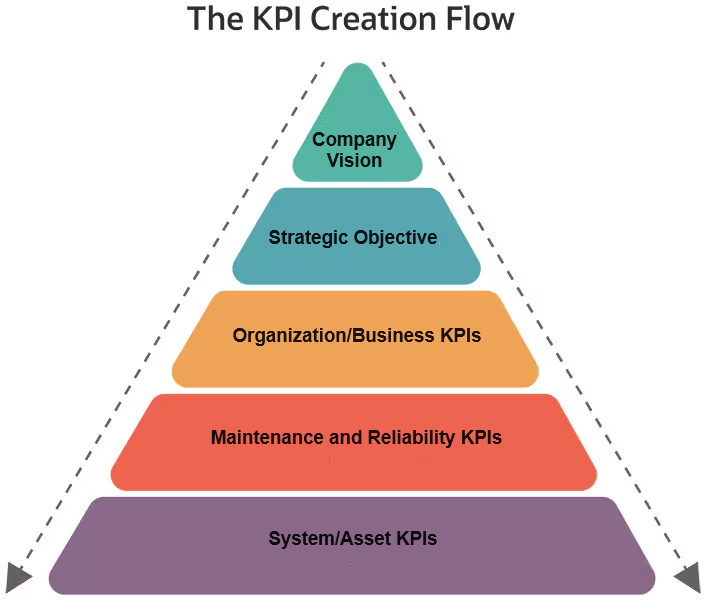
The Janus approach involves collaborating closely with our clients to understand the core needs of their businesses. We begin by evaluating the maturity of their maintenance and reliability programs, considering critical work processes, practices, and standards. This assessment forms the foundation for selecting metrics that align closely with the client’s strategic goals.
It’s crucial to tailor these metrics to the specific context of each business, considering factors such as maturity level, data accessibility, operational processes, and anticipated results. Neglecting these considerations can lead to metrics that offer limited value and fail to gain acceptance within the organization.
Our approach emphasizes the development of metrics that are not only meaningful but also practical and well-suited to drive the desired improvements in reliability and performance.

An effective set of metrics is crucial to staying competitive. By continuously analyzing trends and deviations in metrics, organizations can proactively identify and address potential issues before they escalate. This proactive approach not only minimizes downtime but also optimizes resource utilization, leading to enhanced performance of systems, products and costs. Metrics provide management with a consistent framework for constructive performance discussions, ensuring alignment with organizational goals.
Without a focus on effective metrics, organizations struggle to consistently drive value-added improvements. Reliability performance indicators play a pivotal role in quantifying the operational stability of assets and serve as essential tools for driving continuous improvement and achieving business objectives in a competitive marketplace. Emphasizing the development and use of meaningful metrics is therefore key to sustaining and advancing operational excellence in any industry.